COMMUNITY
Restoring Salmon Habitat Where Industry Meets the Water
A Living Estuary at Vigor’s Harbor Island Shipyard
At Vigor Marine Group, we take pride in building ships that serve communities and in caring for the waters where those ships are built. On Seattle’s Harbor Island, our team has transformed part of our working shipyard into something unexpected: a thriving pocket estuary that gives salmon a place to rest, feed, and grow on their journey to Puget Sound.
This work is part of our long-term commitment to responsible operations on the Duwamish Waterway. As one of several projects supporting the Harbor Island Superfund cleanup, we invested $30 million to clean up and restore nearly three acres of shoreline, creating new habitat where none existed before.
Urban Estuary Restoration
Early Results from Vigor’s Salmon Habitat
Restoring What Was Lost
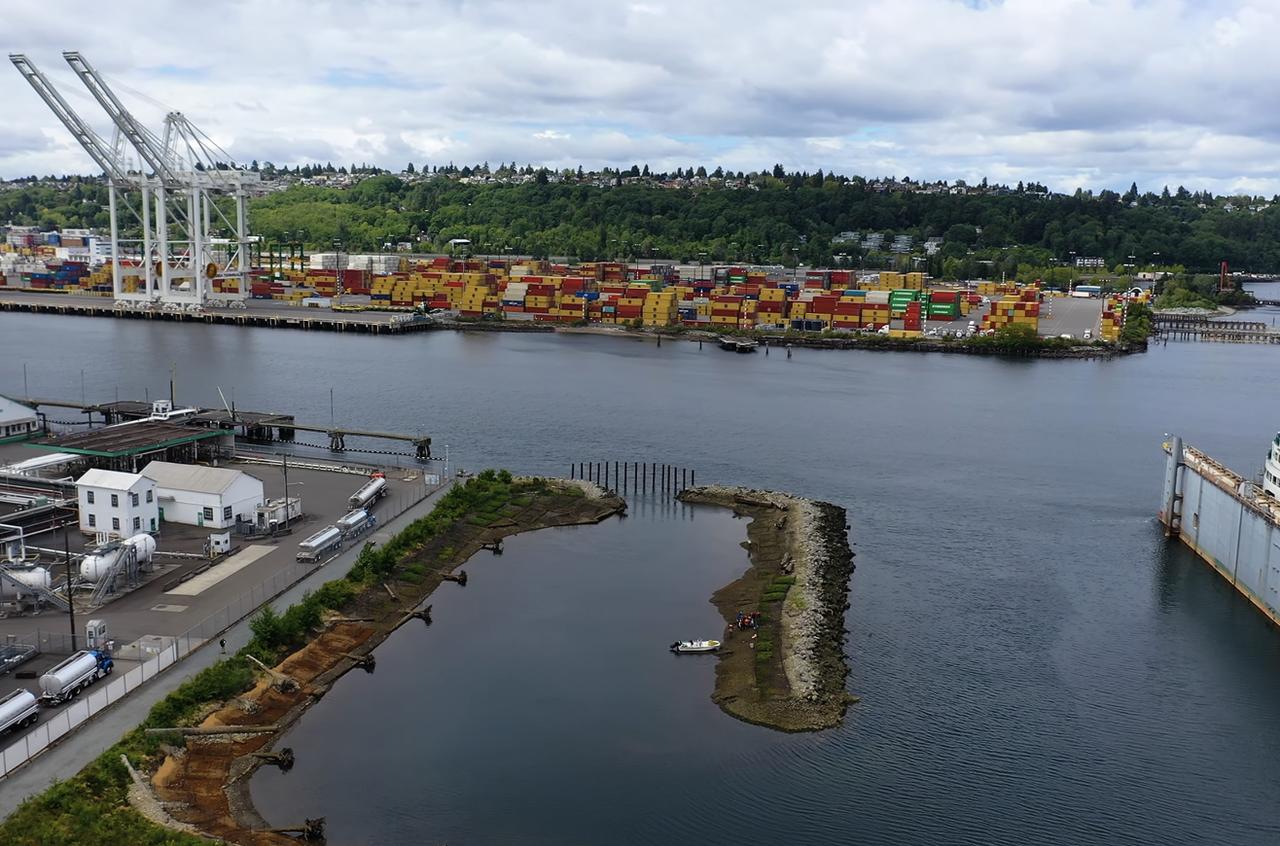
Over two years, we removed aging piers, a historic wooden shipbuilding dock, and roughly 4,000 creosote-treated pilings, along with 10,000 cubic yards of contaminated sediment. What had been industrial fill is now a sheltered, tidal channel where young salmon can find refuge.
The new landscape includes an intertidal mudflat and marsh that flood with the tide, and an upland area planted with native vegetation to attract insects, an essential food source for juvenile salmon. Large woody debris adds structure, and a berm island helps protect the habitat from wave energy while providing additional complexity.
As Alan Sprott, our Vice President of Environmental Services, puts it:
“This will be on the landscape long after we are gone — and that’s something deeply rewarding.”
Seeing salmon already return to the site affirms that this restoration is working as intended.
A Working Waterfront That Works for Nature
We know that industry and habitat can coexist. This project builds on our earlier 2.7-acre restoration effort completed in 2023, located where the West Waterway meets Elliott Bay. Together, these efforts are creating new estuarine habitat in one of the most developed corridors in Puget Sound, proving that meaningful restoration can happen in the places that need it most.
By designing restoration directly into an active shipyard, we’re showing how working infrastructure can also support ecological recovery. Every improvement we make helps restore balance between industry and the environment — not by stepping back, but by building smarter.
Project Snapshot:
Harbor Island Estuary Restoration
Location: Vigor Shipyard, Harbor Island — Seattle, WA
Investment: $30 million
Restoration Area: 2.7 acres (expanded to nearly 3 acres in 2024)
Scope of Work:
- Removed two derelict piers and a historic wooden shipbuilding dock
- Extracted 4,000 creosote-treated pilings
- Removed 10,000 cubic yards of contaminated sediment
- Regraded shoreline to form a tidal mudflat, marsh, and riparian zone
- Planted native vegetation to attract insects and provide salmon food sources
- Installed large woody debris and a berm island for habitat structure and protection
Partners:
University of Washington Wetland Ecosystem Team
Long Live the Kings
Long-Term Commitment:
- Permanently protected by deed restriction
- 10-year monitoring and maintenance plan
Early Results:
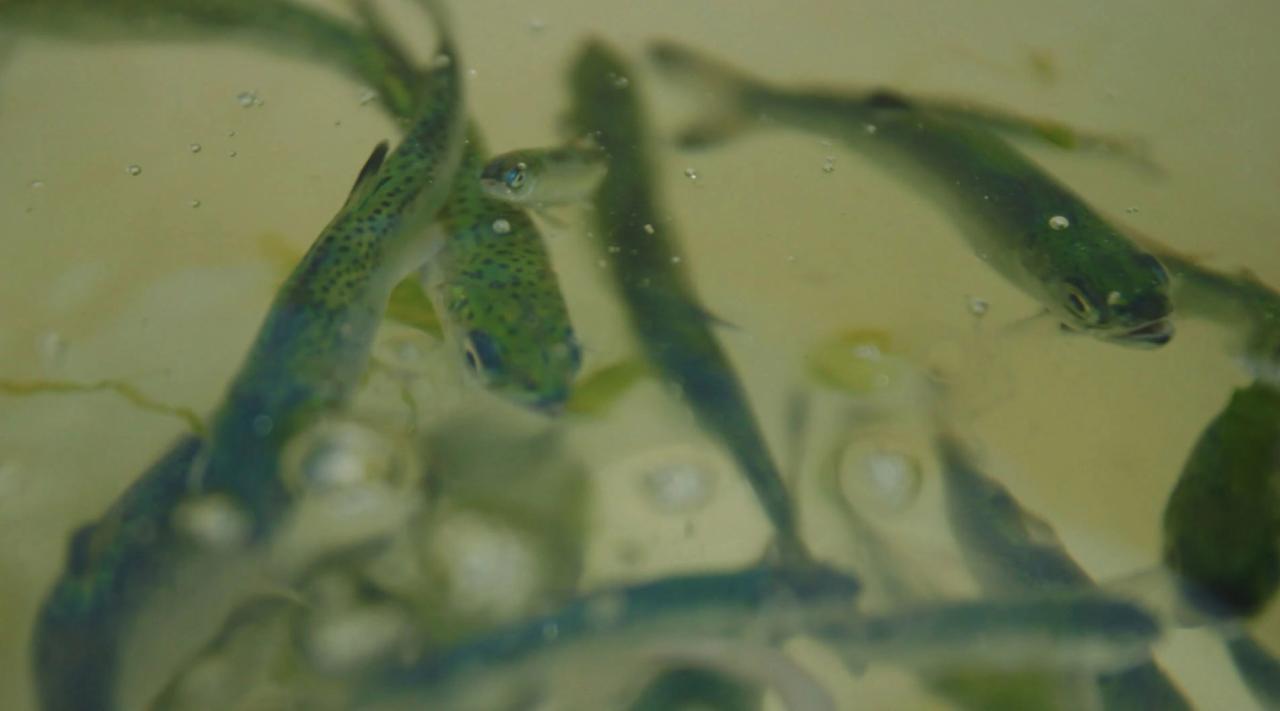
Juvenile Chinook salmon observed in restored habitat, confirming early ecological success.
Stewardship That Endures
The new habitat is permanently protected by deed restriction, ensuring it will remain a refuge for generations to come. Vigor will monitor and maintain the site for at least ten years, supporting native vegetation and tracking habitat performance over time.
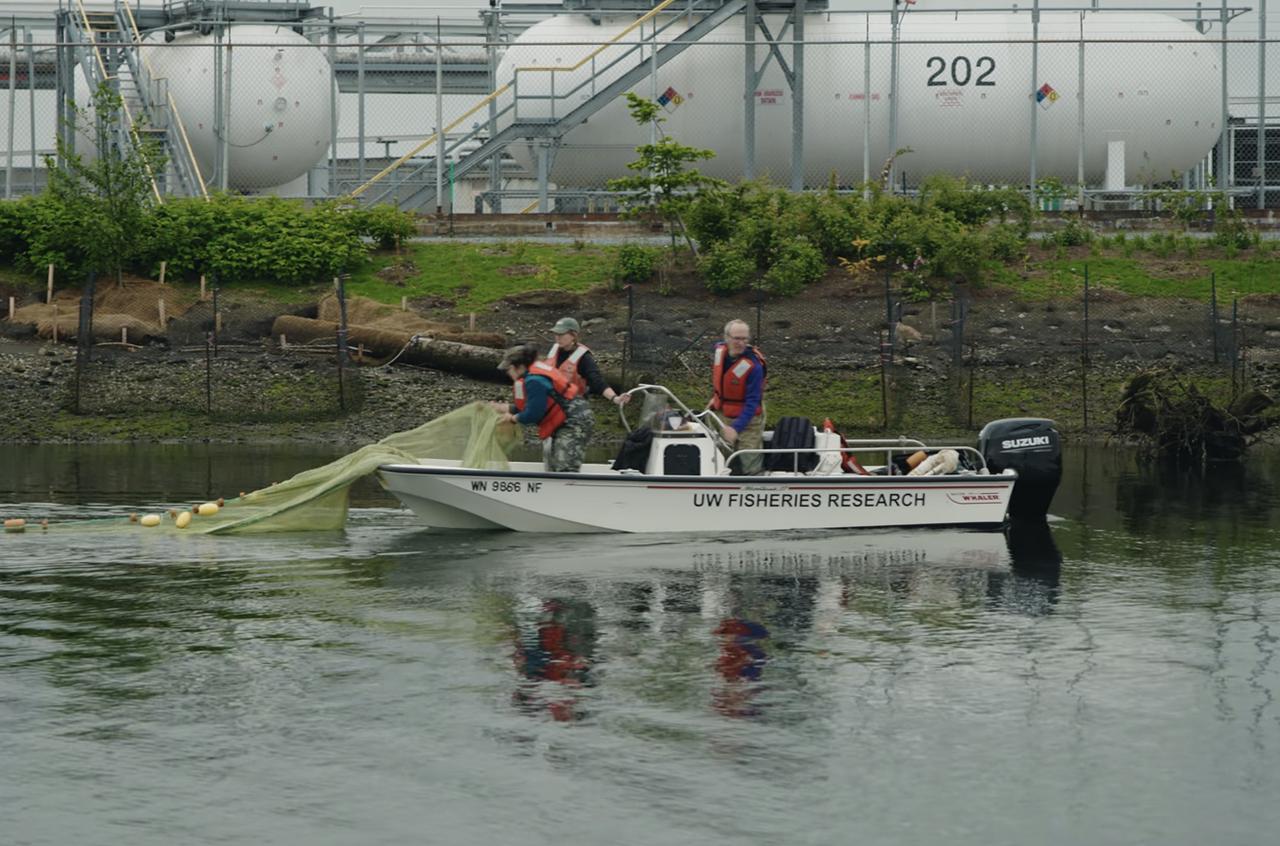
We’re proud to partner with scientists from the University of Washington Wetland Ecosystem Team and Long Live the Kings, who are studying how fish and insects use the site to better understand how restored estuaries function in urban waterways.
Building the Future Responsibly
For us, environmental restoration isn’t a side project, it’s part of how we operate. Every Vigor facility reflects our belief that building the future responsibly means leaving the water cleaner, stronger, and more resilient than we found it.
Vigor’s Harbor Island estuary stands as proof that even in the most industrial settings, we can create space for life to return, and that the working waterfront of tomorrow can support both industry and the natural systems that sustain it.